
HEALTH JOURNAL
AcuMicro Microneedling: Skin Goals, Preparation and Recovery
Wongs Acupuncture & Angel Alliance Physical Therapy · · Updated
AcuMicro microneedling starts with a specific skin goal and a careful conversation about the procedure.
Microneedling uses small needles to puncture the skin. Understanding preparation and aftercare is therefore part of choosing the visit. Wongs Acupuncture & Angel Alliance Physical Therapy currently offers AcuMicro appointments in Manhattan and Great Neck. This guide explains the consultation and the decisions around it; the AcuMicro service page provides the existing service entrance.
On this page
- Describe the skin concern you want assessed
- Understand what the procedure involves
- Understanding the actual device and intended use
- Share your skin and healing history
- Bring your current skin-care routine
- Plan recovery around the procedure
- Get specific instructions for the days afterward
- Know how to report an unexpected reaction
- Compare results under similar conditions
- Make the consultation fit your priorities
- Separate your skin goals before comparing photographs
- Choose a confirmed Wongs Acupuncture & Angel Alliance Physical Therapy location
Describe the skin concern you want assessed
Start with what you notice, where it is and how long it has been present. A rough area, a fine line and an acne scar are different concerns. Explain whether the appearance changes with irritation, sun exposure or the products you use. You do not need to select a device or identify a medical diagnosis before asking for advice.
Choose one or two priorities for the discussion. Saying that you want to understand options for a particular cheek scar gives the practitioner a clearer starting point than requesting every available skin treatment. If the main problem is an active rash, inflamed acne or a changing skin lesion, explain that first so the appropriate assessment can take priority.
Understand what the procedure involves
Microneedling creates small punctures that trigger a healing response and collagen production. Collagen is a structural protein that helps support the skin; remodeling may make selected scars or wrinkles less noticeable and improve texture. The American Academy of Dermatology’s explanation describes this gradual process. It does not mean that every visible skin concern has the same cause or that a treatment can stop aging. Immediate redness or swelling is a treatment reaction, not proof that a scar or wrinkle has improved.
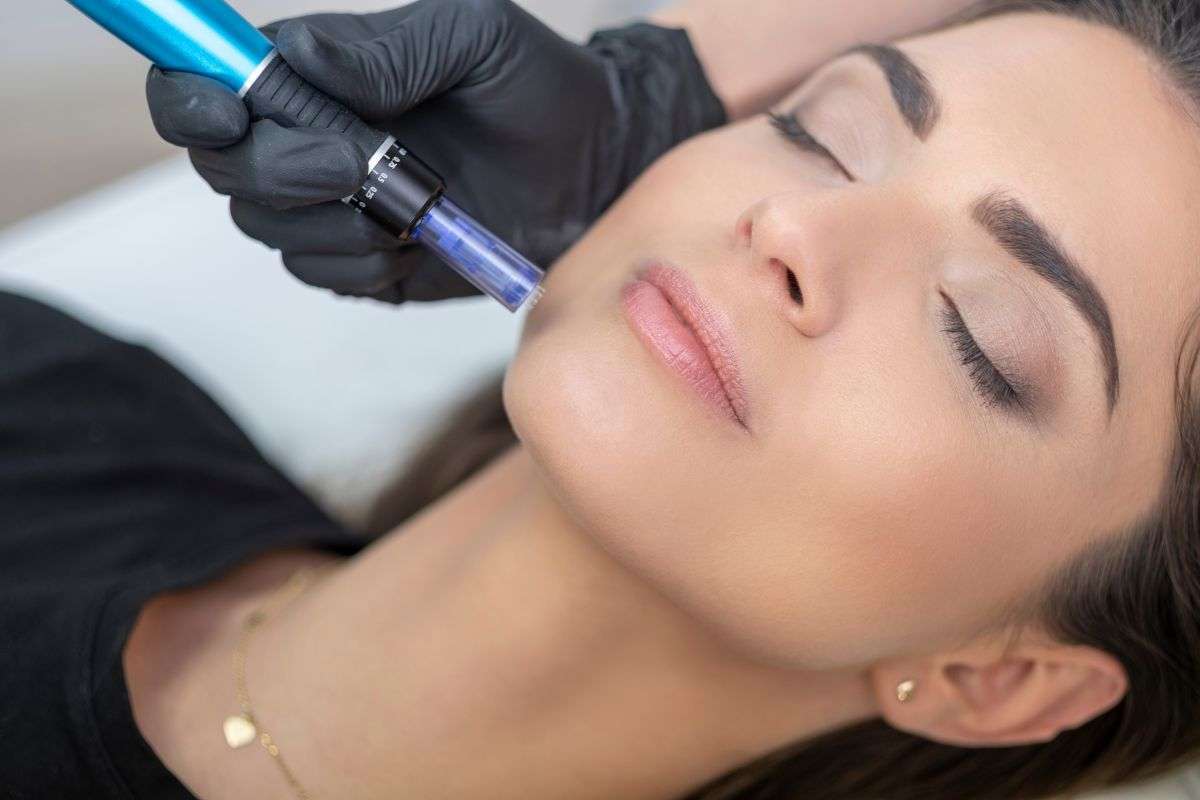
Devices may use a roller, a stamp-like surface or a motorized needle pen. After screening and agreeing on the area, the procedure involves cleansing the skin and controlled passes with the selected device. Pain-control options, including any topical numbing product, need to match the procedure and your allergy history. For devices with replaceable needle cartridges, the FDA specifies a new cartridge for each person and each session; cleaning does not make cartridge reuse safe. The practitioner should explain expected sensations and how to pause. Severe or unexpected pain should be assessed, not endured to obtain a stronger result.
A consultation should make the process understandable without asking you to learn operating settings or reproduce the procedure at home. Needle length, technique and other technical choices belong to appropriately trained personnel using the actual device instructions. A photograph of someone else’s treatment does not tell you what should be done on your skin.
Understanding the actual device and intended use
The FDA’s microneedling information describes authorized devices for specific uses involving facial acne scars, facial wrinkles and abdominal scars in adults aged 22 or older. Authorization belongs to the particular device, use and body area; the AcuMicro service name alone does not establish it. The clinic’s procedure explanation should identify the device and the use proposed for your concern, without transferring another brand’s results or approval.
Ordinary microneedling creates mechanical punctures; radiofrequency microneedling adds energy and heat, and a surface facial does not perform the same procedure. Their recovery and risks differ. The FDA also states that microneedling devices are not approved to deliver cosmetics, topical medicines, vitamins, drugs or blood products such as PRP into the skin. A serum used on intact skin is not automatically suitable for application to fresh punctures. A proposed combination requires its own explanation rather than being presented as a standard part of AcuMicro.
Share your skin and healing history
Describe previous skin disease, infection, wounds, unusual scarring or reactions to cosmetic procedures. Active infection, inflamed acne or an active cold sore may require postponement and appropriate treatment first. A history of keloids—raised scars that extend beyond the original injury—or poor healing also matters. Tell the practitioner about previous darkening or lightening after skin procedures: the FDA lists pigment changes as a possible risk, including for darker skin. Assessment should consider these findings before deciding whether to proceed, delay or choose another approach.
Provide medicines and conditions that affect bleeding, immunity or healing, including anticoagulants, immune-suppressing treatment or poorly controlled diabetes. Mention pregnancy, possible pregnancy or breastfeeding. Current or recent isotretinoin use for acne also needs review; the FDA lists use within the past six months as a reason the procedure may not be suitable. Timing must follow the actual device instructions and medical assessment, not a self-directed medication break. Also disclose reactions to metals or numbing products. Another person’s comfortable visit does not answer these individual questions.
Bring your current skin-care routine
List cleansers, moisturizers, sunscreen, prescribed skin treatments and other active products you actually use. Product names and label photographs are more useful than broad categories such as anti-aging serum. Include how often you apply them and any recent irritation.
Tell the practitioner about recent procedures and sun exposure as well. Do not independently stop a prescribed medicine or assume that a product which is comfortable on intact skin belongs in a fresh treatment area. Clear instructions should cover both preparation and the return to your normal routine.
Plan recovery around the procedure
Redness, swelling, irritation or bleeding can occur. Other concerns include infection, pigment changes and reactivation of a cold sore.
Discuss work, social plans, exercise, makeup and time outdoors before selecting an appointment. A suitable date depends on the actual treatment and your skin, not on the shortest recovery mentioned in an advertisement. If you have an important event coming up, explain the date during the consultation so the recovery plan can account for it.
Get specific instructions for the days afterward
Before leaving, clarify cleansing, moisturizing, sun protection and when to resume individual products. Written instructions can make it easier to follow the same plan when you return home.
If the advice is unclear, repeat it back using your own routine: what to use that evening, what to use the next morning and when to contact the office. Do not fill gaps by adding new acids, scrubs or other products on your own. Instructions should be matched to the skin and procedure that were actually assessed.
Know how to report an unexpected reaction
Confirm a contact method before the procedure, including what to do outside the office’s normal hours. Describe when a reaction began, where it is, how it is changing and which products you have used. Photographs may be useful if the responsible professional asks for them, but should not delay timely evaluation of a serious problem.
Increasing pain, signs of infection or another concerning change needs prompt attention. Cleveland Clinic’s procedure guide specifically advises contact for bleeding beyond 24 hours, blistering or swelling that lasts more than a week. These are examples, not reasons to wait that long when a problem is severe or worsening. Follow the individual instructions and seek urgent medical care for severe symptoms; routine follow-up should not delay assessment of a significant new problem.
Compare results under similar conditions
Return to the original concern rather than judging the entire visit by the appearance immediately afterward. If photographs are used, try to keep lighting, distance, angle and facial expression similar. Record the time since the procedure and any changes in products or other skin treatments.
Review the skin’s recovery separately from the original appearance goal. Changes develop gradually: the AAD describes improvement over weeks and fuller results over months. This is general procedure information, not a personal deadline. Compare the selected scar, line or texture concern after the appropriate healing interval, before deciding whether to continue, adjust or choose something else. An online package does not set an individual course, and a fixed number of visits cannot guarantee a result.
Make the consultation fit your priorities
A useful consultation connects the procedure to a defined skin concern, explains suitability and expected recovery, and provides practical aftercare and follow-up. The plan should be understandable before you decide.
Confirm the provider and location before arranging travel. Understanding these details makes it easier to choose a plan you can follow and to recognize when another skin assessment is the better next step.
Separate your skin goals before comparing photographs
If you are asking about more than one concern, list each separately: a particular scar, an uneven-looking area or the appearance of fine lines. This avoids treating an overall photograph as evidence that every skin feature changed in the same way.
If photographs are used for review, discuss consistent lighting, distance and timing. A picture taken immediately after a procedure is different from a later assessment of the original concern.
Choose a confirmed Wongs Acupuncture & Angel Alliance Physical Therapy location
AcuMicro appointments are currently arranged in Manhattan and Great Neck. Use the AcuMicro service page for current service and appointment arrangements. Forest Hills is not in the currently confirmed service list.
The goal is a well-prepared, individual decision: a defined skin concern, appropriate screening, a clear procedure and a practical recovery plan.
OUR LOCATIONS
Choose a clinic.
Choose a convenient location to discuss your needs or arrange a visit.