
HEALTH JOURNAL
Acupuncture for IBS-D
Ben Wong · · Updated
Acupuncture can help improve abdominal pain and diarrhea in diarrhea-predominant irritable bowel syndrome, making bowel symptoms and daily plans more manageable.
Diarrhea-predominant irritable bowel syndrome, or IBS-D, involves recurring abdominal pain and altered bowel function. Assessment considers the pattern and relevant medical history.
On this page
- Does Acupuncture Help with IBS-D?
- How Effective Is Acupuncture for IBS-D?
- Is Acupuncture Backed by Science?
- What You Should Know Before Booking an Acupuncture Treatment
- How Do You Know If Acupuncture Is Working?
- How to Get Acupuncture for IBS-D at Wongs Acupuncture
- Final Thoughts About Acupuncture & IBS-D
- Sources
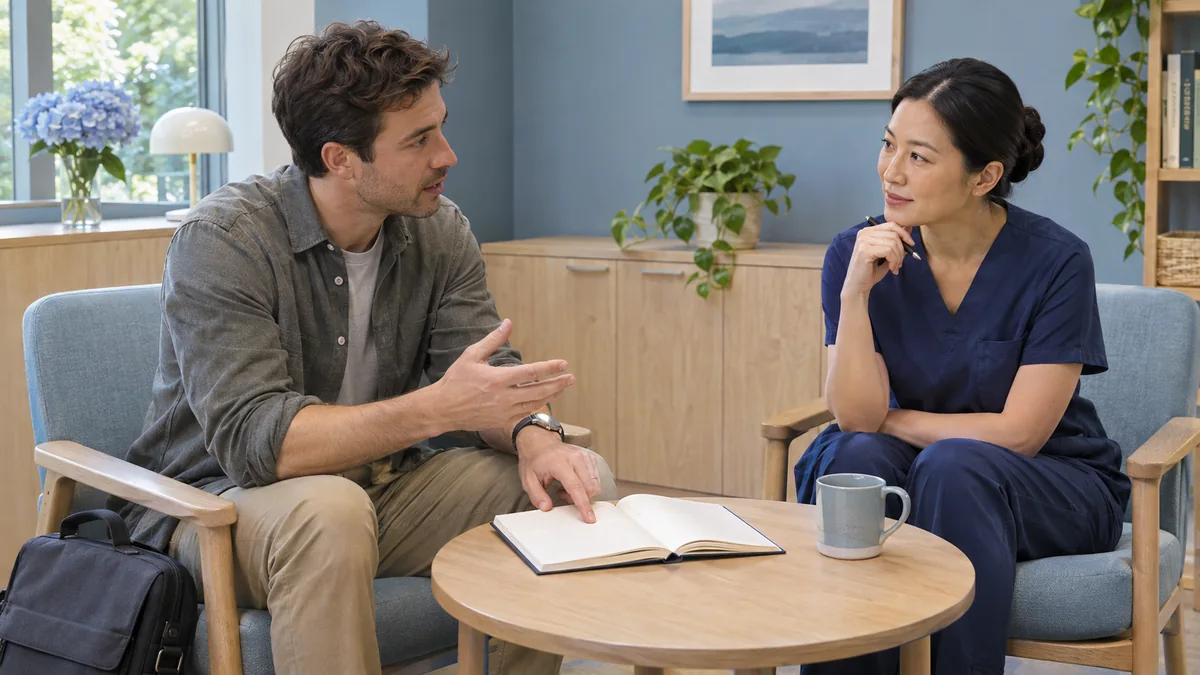
Does Acupuncture Help with IBS-D?
Yes. Acupuncture can help improve abdominal pain and diarrhea in diarrhea-predominant irritable bowel syndrome, making bowel symptoms and daily plans more manageable. Treatment considers pain, stool frequency and form alongside traditional assessment.
What symptoms characterize IBS-D?
IBS involves recurring abdominal pain associated with bowel movements and changes in stool pattern. The NIDDK IBS overview explains this framework.
The assessment distinguishes IBS-D from infection, inflammatory bowel disease, medicine effects and other causes according to the history. New bleeding, fever, unexplained weight loss or a substantial change in the usual pattern needs medical review. Keep the established digestive and nutrition plan in place, and avoid creating more food restrictions simply because a symptom fluctuates.
Traditional bowel reasoning relates urgency to the accompanying features
TCM considers digestion, Qi movement and fluid handling. The main features guide the approach:
- Loose stools with low energy and weak digestion: support the Spleen.
- Painful urgency or bloating linked to tension: coordinate the traditional Liver and Spleen functions.
- A full pattern of dampness and heat: add clearing aims.
These combinations guide the emphasis: reduced digestive support favors Spleen-supporting aims, tension-linked painful diarrhea favors Liver–Spleen coordination, and prominent damp-heat features add clearing aims. The practitioner explains the choice from the full presentation.
What guides the traditional choice of Tianshu and Zusanli?
Tianshu’s professional uses include bowel regulation and Qi-related stagnation, illustrating an abdominal choice. Zusanli’s Spleen-and-Stomach uses illustrate a supporting distant leg-point aim. Tianshu Zusanli
Local points, distant points or both can be chosen according to the assessed presentation, practitioner experience and preferences, comfort and response. The traditional examples here should be understood separately from the point selections used in the clinical studies.
How Effective Is Acupuncture for IBS-D?
In a 2025 multicenter trial involving 280 people, acupuncture produced a better combined abdominal-pain and diarrhea response than sham, with a response risk ratio of 1.40. Practical benefits concern less abdominal pain, more manageable diarrhea and fewer daily disruptions.
Is Acupuncture Backed by Science?
Yes. The 2025 ACTION trial found better combined relief of abdominal pain and diarrhea with acupuncture. It enrolled 280 adults aged 18–75 at six hospitals, compared six weeks of acupuncture with blunt-needle sham, and continued follow-up.
| Treatment | Response |
|---|---|
| Acupuncture | 57.9% |
| Sham | 41.4% |
What You Should Know Before Booking an Acupuncture Treatment
Your first visit covers:
- Your symptoms, diagnosis, medicines and activity goals.
- How acupuncture fits the care you already receive.
- The treatment plan and a comfortable position.
Bring relevant reports and a medicine list.
Choosing a method you can comfortably receive
Our main approach is manual acupuncture. We also offer:
- Electroacupuncture: electrical stimulation through needles.
- Ear acupuncture (auricular acupuncture): needles placed in the ear.
The practitioner chooses the approach around your goals, health and comfort.
Ear seeds use adhesive patches to hold small seeds or beads over ear points. Pressing them provides stimulation without needles. Tell the practitioner if the patches or pressure irritate your skin so they can be adjusted.
During the appointment and afterward
The practitioner reviews symptoms, diagnoses, medicines and the activities you most want to improve, then explains point selection, positioning and treatment using sterile single-use needles. Mild aching or heaviness can occur. Report sharp pain, dizziness or significant discomfort immediately so the practitioner can adjust treatment. The UCLH patient guide
Before treatment, report pregnancy, medicines affecting clotting, implanted electronic devices and any previous fainting during procedures. Continue prescribed medicines according to the medical plan. Temporary soreness, small bruises or drowsiness can occur; arrange a ride if drowsy. Seek medical assessment for persistent or significant symptoms.
A first acupuncture or physical therapy visit takes about 75–90 minutes. Allow more time if you combine the services. Your practitioner explains how long the needles stay in place and plans follow-up visits around your goals, progress and comfort.
Before the visit, report the diagnosis, medicines, abdominal history, possible pregnancy, bleeding concerns and implanted devices. Acupuncture is coordinated with medical and nutrition care, with approach and positioning adjusted to comfort.
Which changes need prompt medical care?
Blood or black stool, significant fever, dehydration, persistent severe pain or unintended weight loss needs medical assessment; severe or rapidly worsening symptoms may require urgent care. For an assessed supportive goal alongside digestive care, our acupuncture service provides the starting route.
How Do You Know If Acupuncture Is Working?
Less abdominal pain, a lower urgency or diarrhea burden and easier travel or work planning are useful improvements. Recording stool form and frequency helps coordinate existing digestive care.
Review pain, stool pattern and a realistic activity
Choose an everyday goal, such as less pain with bowel movements, less urgency during a commute, or fewer interruptions to an activity. Record:
- Abdominal pain, stool form and frequency.
- Medicines and changes in food or nutrition care.
- Stress and other treatment during the same period.
How does progress guide continuing treatment?
Less pain, a lower urgency or diarrhea burden and easier commuting or daily activity are practical improvements. The practitioner reviews stool form and frequency, nutrition and existing treatment to refine continuing care.
How to Get Acupuncture for IBS-D at Wongs Acupuncture
Wongs Acupuncture & Angel Alliance Physical Therapy offers acupuncture in Manhattan, Forest Hills, Great Neck. Contact the office that suits you, describe the main difficulty and any care already in place, and the team can confirm the appropriate service and appointment. If you plan to use insurance, the selected office can check benefits for the requested service.
Final Thoughts About Acupuncture & IBS-D
Acupuncture care for IBS-D focuses on less abdominal pain, more manageable diarrhea and easier daily plans. Contact your preferred clinic with your diagnosis, current care and the symptom you want to improve.
Sources
OUR LOCATIONS
Choose a clinic.
Choose a convenient location to discuss your needs or arrange a visit.