
HEALTH JOURNAL
Aromatherapy Massage: Scent, Skin Sensitivity and a Comfortable Visit
Ben Wong · · Updated
Aromatherapy massage combines hands-on massage with aromatic products. A comfortable visit starts with the area you want to relax, the pressure you tolerate and any scents or products that have bothered you before. Touch, the product’s contact with the skin and the experience of its scent need separate consideration. Enjoying an aroma does not make the pressure comfortable or establish that the product suits your skin. The existing aromatherapy massage service page is the entrance for discussing the actual appointment.
On this page
- Set a comfort goal and keep the effects separate
- Oil, lotion and essential oil are different product descriptions
- Pressure, depth and positioning should fit the person
- Skin reactions and sunlight depend on the formulation
- Discuss scent, breathing, skin and other health needs
- How to respond if a product or technique feels wrong
- Aromatherapy, medical massage and movement care have different purposes
- Review comfort, skin and daily effects after the visit
- Arrange the confirmed local service
Set a comfort goal and keep the effects separate
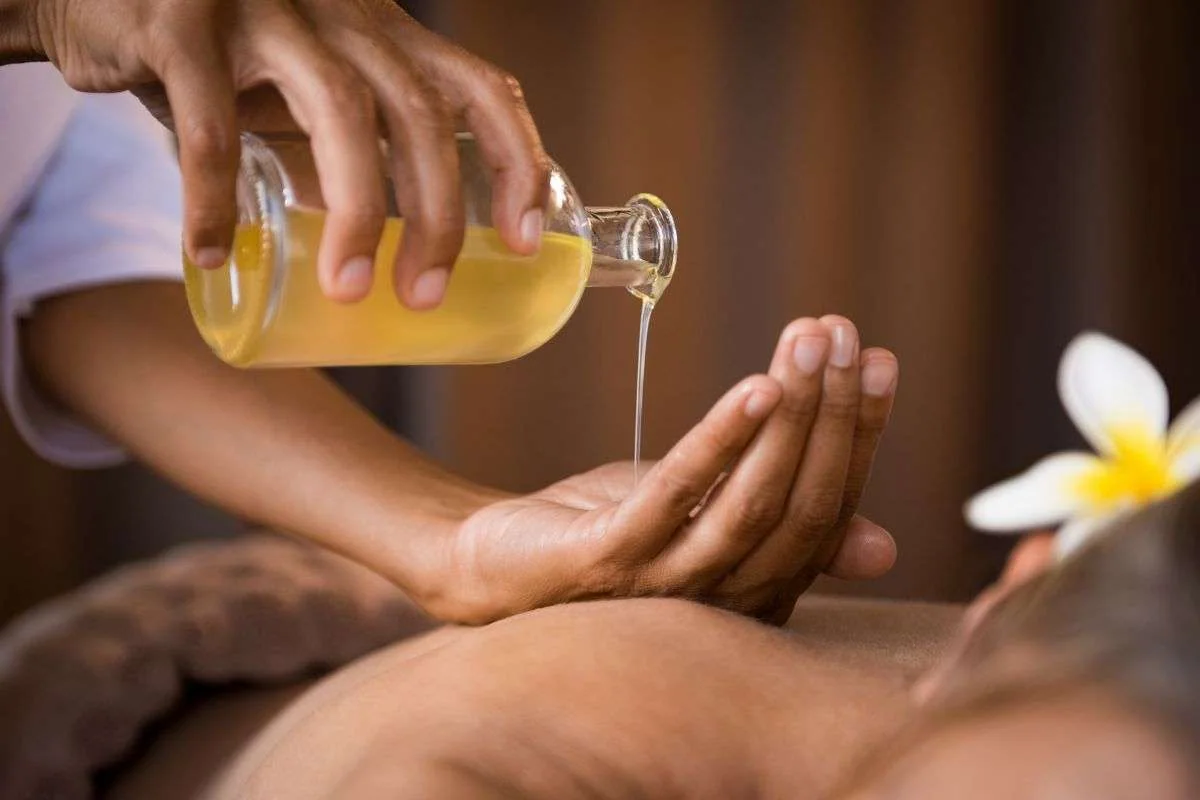
Your goal might be time to unwind, a comfortable massage or attention to a familiar area of tension. Massage works through contact, pressure and movement over skin and nearby soft tissues, including muscles. Aromatherapy adds a scent experience and sometimes a prepared skin product. These components can be discussed separately rather than assuming that one oil produces every benefit associated with massage. Source
Sensory cells inside the nose detect odor molecules and send signals to the brain, which identifies the smell. Smelling an aroma and having a product contact the skin are different exposures. Enjoying a scent does not by itself demonstrate a change in a disease measure. How smell works
The National Center for Complementary and Integrative Health (NCCIH) describes essential oils as plant-derived aromatic materials usually inhaled or applied in diluted form. For insomnia, NCCIH says whether aromatherapy is helpful remains uncertain. In one study of people under stress, lemon scent favored mood, while neither lemon nor lavender affected the measured stress indicators, immune-related biochemical markers or pain control. Feeling more pleasant therefore should not be equated with treating depression, an anxiety disorder or a sleep disorder. Persistent symptoms still deserve appropriate assessment and coordinated prescribed or psychological care. Aromatherapy evidence overview
Oil, lotion and essential oil are different product descriptions
Oil or lotion can reduce friction when a hand glides over skin. Other techniques rely more on pressure or kneading, so they do not all require the same amount of sliding contact. Tui na, for example, includes a range of hand methods rather than a single oil-based routine. Product use should fit the selected technique, body area and skin response. Source Source
Massage oil and lotion describe prepared products; an essential oil is a plant-derived aromatic material that can be one ingredient within a formulation. A product containing oil is not automatically an essential-oil preparation, and a lotion may contain fragrance. Therapeutic or calming on the front label does not establish a clinical advantage or identify a best brand. Consider the actual ingredients, intended use and how the product feels during the selected movement. FDA fragrance information
The U.S. Food and Drug Administration (FDA) notes that some products labeled unscented still contain fragrance ingredients to mask other odors, and a label may group fragrance ingredients under the word Fragrance. If you have a known reaction, the team needs to consider the actual product rather than the name alone. An appointment without aromatic products can be discussed without obliging you to tolerate an unwanted scent.
Pressure, depth and positioning should fit the person
A broader gliding contact, slower kneading and more localized pressure can feel different even when the same product is used. Pressure and depth depend on the region, tissue tolerance and purpose; feeling tense does not automatically call for deeper work. Describe a comfortable pressure and any area you want avoided. Sharp pain or numbness is a reason to change the contact or stop, not a target to endure. Source
Agree on the areas involved, clothing, draping and privacy before hands-on work. Difficulty lying face down or on your side, turning the head or remaining in one position can be addressed with another position or support. You can pause at any time. Consent to massage and consent to a scented product are separate choices, and either can change during the appointment.
Skin reactions and sunlight depend on the formulation
Plant-derived ingredients can irritate skin or cause allergy. FDA also explains that certain citrus oils can cause problems on skin exposed to sunlight. The relevant factors include the exact ingredient and application, not simply whether an oil smells fresh or has a natural label. More concentrated is not automatically better. FDA aromatherapy safety
Do not add extra oil, mix products, apply an undiluted material or swallow a massage product to copy the appointment at home. Follow the instructions for the actual formulation, including any sun-exposure advice. FDA distinguishes cosmetic use from disease-treatment claims; an aromatic personal-care product should not automatically be treated as a medicine.
Discuss scent, breathing, skin and other health needs
Tell the team about asthma, fragrance-triggered headache, eczema, allergies or a previous reaction to oil or another skin product. If you know the product, its name and what happened are more useful than the broad label sensitive skin. Disliking a scent, skin irritation and a breathing reaction are different observations; one does not reliably predict another.
Pregnancy, breastfeeding, recent surgery, healing skin, medicines affecting bleeding and other medical restrictions can also affect the technique or product choice. The assessment should consider the actual appointment and whether any area should be avoided. A prior comfortable massage does not guarantee that a different formulation or health situation will be suitable. Source
How to respond if a product or technique feels wrong
Report itching, burning skin, dizziness, numbness, sharp pain or breathing discomfort promptly. The relevant product or hands-on technique can be stopped, changed or omitted. An unpleasant fragrance is enough reason to stop that exposure; you do not have to repeat it to prove you tried properly.
Significant skin symptoms need appropriate medical advice, and a severe allergic or breathing problem needs immediate medical help rather than waiting for the massage to finish. If a new reaction appears afterward, explain where it occurred, when it began and which products were used. Do not repeatedly apply the same product to test a concerning reaction. Keep the actual name or label when available so the next discussion can identify what to avoid.
Aromatherapy, medical massage and movement care have different purposes
A relaxation visit does not require you to arrive with a diagnosis or technical vocabulary. A specific persistent pain, movement restriction or changing symptom should nevertheless be explained, because it may need a different assessment. Medical massage focuses hands-on soft-tissue care around a particular concern and practical goal, rather than simply adding fragrance.
For an assessed pain concern, an acupuncture consultation may have a separate role; physical therapy assesses movement and function and can plan training around the limitation. Relevant diagnoses and restrictions help these plans fit together. There is no requirement to add every service offered at the same office, and a scented product does not turn a relaxation appointment into treatment for an underlying disease.
Review comfort, skin and daily effects after the visit
Review the visit against the goal you originally described: comfort with pressure, scent tolerance, skin response and the area of tension. Notice both the immediate experience and later effects, including whether comfort lasted into an ordinary activity and whether any soreness or rash appeared. Different needs may call for a different product, method or service rather than automatic repetition.
Confirm the actual practitioner, duration, contents and any insurance arrangements for the selected booking. A medical-massage appointment length or another service’s benefits should not be assumed to apply. A longer visit, stronger fragrance or deeper pressure is not by itself a better result.
Arrange the confirmed local service
Aromatherapy massage is available at Manhattan, Forest Hills and Great Neck. Use the service entrance to explain your preferred location, time, comfort goal and any scent sensitivity. The current service information also allows a massage without aromatic products; the specific product options and practitioner arrangement should be confirmed for the visit. This keeps the appointment connected to what you want and can tolerate.
OUR LOCATIONS
Choose a clinic.
Choose a convenient location to discuss your needs or arrange a visit.