
HEALTH JOURNAL
What Would Cupping Add to an Assessed Arthritic Knee Plan?
Ben Wong ·
For assessed knee osteoarthritis, dry cupping can be discussed as a possible part of symptom care. It creates suction against the skin; it does not rebuild joint cartilage, draw fluid out of the joint or identify the cause of a newly swollen knee. The device and comparison used in a study affect how its findings apply. Feeling more comfortable afterward does not establish that the joint has repaired. Source
On this page
- The knee joint and the skin response are different tissues
- What suction does, and why dry and wet cupping differ
- Traditional goals and modern hypotheses need separate explanations
- What the 2012 pilot did—and what its knee scores mean
- A newer sham-controlled trial gives a different comparison
- What to expect from contact, timing and skin checks
- A dark circle is not a measure of knee recovery
- Review walking and function alongside the skin
- When knee symptoms need a different route
- Choose care around the assessed knee and activity goal
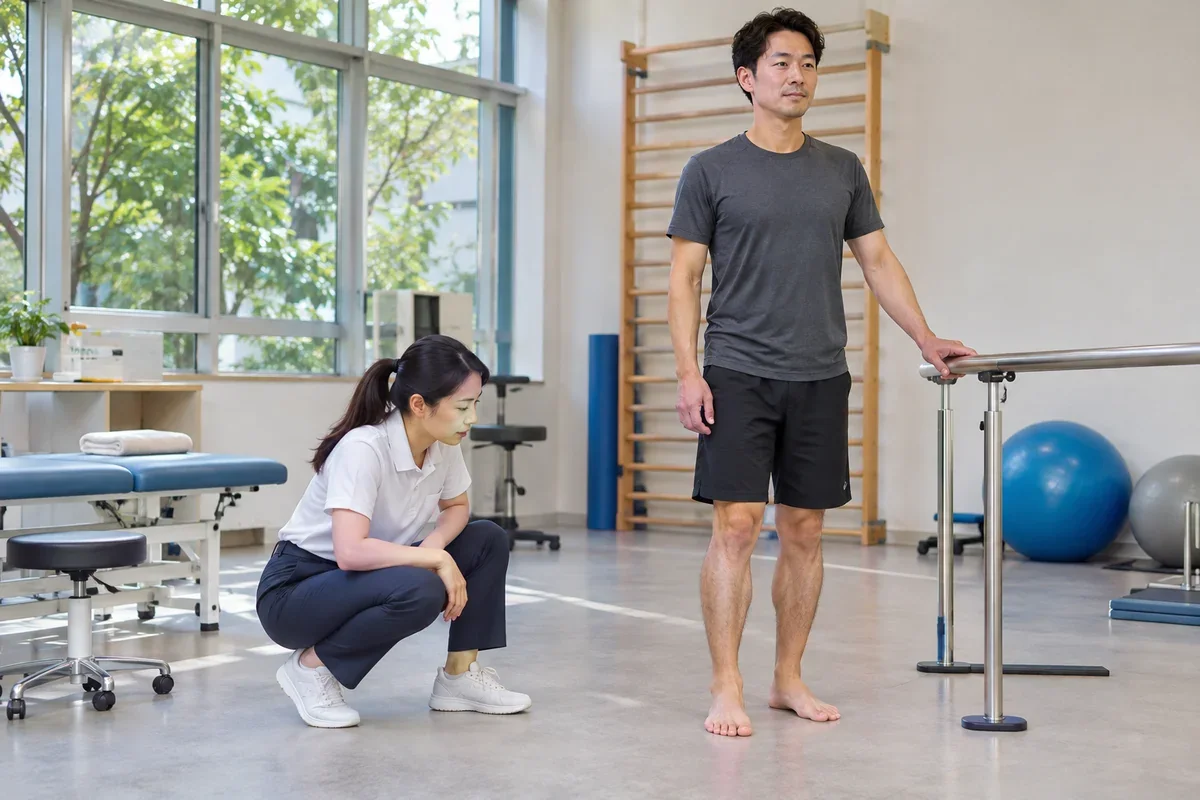
The knee joint and the skin response are different tissues
The ends of the bones in the knee are covered by smooth cartilage that helps protect them during movement. A lining called the synovial membrane makes fluid that lubricates the joint. Osteoarthritis involves changes such as cartilage becoming rougher and thinner, together with changes in other joint structures. Pain, stiffness or swelling can make walking, stairs and standing from a chair difficult. The American Academy of Orthopaedic Surgeons (AAOS) explains this joint anatomy and the role of examination. Knee-arthritis information
A cup acts through the skin surface rather than entering this joint space. Its mark cannot show how much cartilage remains, identify the cause of swelling or establish that newly injured joint tissues have healed. A new injury, unexplained swelling or a substantial change in a familiar knee problem needs assessment before choosing a technique.
What suction does, and why dry and wet cupping differ
Negative pressure means that pressure inside the cup is lower than the surrounding pressure, producing suction at the skin. Heat or a mechanical suction device can create that effect. Dry cupping does not intentionally pierce the skin; wet cupping includes skin piercing and blood exposure. These are different procedures with different safety considerations. Source
Pulsatile dry cupping uses a device that varies suction in a rhythm rather than simply leaving an ordinary cup in place. Results from that device are not automatically results for every cup or technique. Placement should follow the assessed concern, skin condition and method; an online knee-point map cannot select a safe or effective personal arrangement. This article discusses cupping, which is also distinct from inserting acupuncture needles.
Traditional goals and modern hypotheses need separate explanations
Chinese medicine describes cupping with terms such as moving qi and blood and unblocking channels. These are traditional concepts about functional movement, nourishment and connections between body regions, used to describe treatment aims for discomfort and stiffness. They should not be interpreted as a confirmed blood-vessel blockage or proof that joint fluid has been pulled through the skin. A Beijing hospital explanation distinguishes these traditional terms from the skin response to suction. Traditional explanation and skin marks
The 2012 knee trial discusses possible modern explanations involving sensory input from the skin, nervous-system processing of pain and the treatment setting. These are hypotheses about how symptoms might change, rather than demonstrations that suction repairs cartilage. The study also could not separate the procedure’s effects from attention, expectations and other parts of the treatment experience. Source
What the 2012 pilot did—and what its knee scores mean
The trial randomized 40 adults with confirmed knee osteoarthritis to eight pulsatile dry-cupping sessions over four weeks or no cupping intervention. Both groups could use paracetamol, also called acetaminophen, as needed. The treatment included the lower-back/sacral region as well as the knee. It was not a test of placing one ordinary cup on the knee alone. Source
The WOMAC questionnaire combines pain, stiffness and difficulty with physical tasks. Its overall score and function results favored cupping at four and twelve weeks after randomization. At twelve weeks, the WOMAC pain and stiffness parts no longer showed a significant group difference, while a separate pain-rating scale still favored cupping. Medication use did not differ. These outcomes should be named rather than compressed into either complete recovery or no pain change at all.
This was an exploratory comparison with no sham procedure and no full exercise-program comparison. The combined back-and-knee treatment also means its effect cannot be assigned to the knee location alone. It supports discussing the specific findings, not prescribing eight visits for everyone or promising cartilage restoration.
A newer sham-controlled trial gives a different comparison
A study published online in 2025 randomized 62 women aged 50–75 with knee osteoarthritis to dry or sham cupping. It scheduled twelve sessions over six weeks and measured pain and practical performance through ten weeks after randomization. Both groups had some within-group improvements, but real cupping was not superior to sham for the measured pain, function or quality-of-life outcomes. Sham-controlled trial
A sham comparison asks a different question from doing nothing: whether the tested procedure adds benefit beyond an imitation and its treatment context. The newer result does not erase the older trial’s observations, but it prevents treating them as proof that every dry-cupping method has a specific, reliable benefit. Neither trial tested cartilage regrowth or established a personal treatment schedule.
What to expect from contact, timing and skin checks
A consultation should review the knee diagnosis, symptoms, medicines, skin and recent procedures before choosing an area and method. During application, suction can feel like pulling at the skin. The leg should be supported in a tolerable position. Sharp pain, excessive heat, worsening tingling or skin distress calls for adjustment or stopping, rather than stronger suction to obtain a darker mark.
The whole appointment includes discussion, preparation, positioning and skin checks. Time with a cup applied is only one part. In the 2012 study, the five-minute lower-back application and ten-minute knee application were research procedures; the four-week course and four- or twelve-week measurements were different time intervals. They are not a clinic menu, a fixed retention time or a promise that improvement appears by a certain day.
Before leaving, the plan should explain the expected skin response and what changes to report. Our traditional cupping guide explains general preparation and skin-mark questions. Broken or blistered skin requires specific advice rather than treatment as an ordinary intact mark.
A dark circle is not a measure of knee recovery
Suction can cause congestion and small amounts of blood to leave tiny vessels under the skin, producing discoloration. Suction, application time and skin characteristics influence the mark. The color is not a test of arthritis severity or toxins leaving the knee. Do not increase pressure or time to chase a particular shade. Source
Skin injury, persistent discoloration, scars, burns and infection are possible problems. Tell the practitioner about medicines affecting bleeding, unusual bruising, a bleeding disorder, rash, eczema, psoriasis or wounds. Equipment that can contact blood needs appropriate infection control even when dry cupping was intended. In the small 2012 trial, some people had bruising, brief leg tingling or increased back pain; a comfortable previous session does not guarantee the next one is suitable.
Review walking and function alongside the skin
Exercise and physical therapy can address knee movement, leg strength and general activity within an individualized arthritis plan. AAOS describes exercise to improve pain and function, with a starting program that fits the person. Less discomfort after a hands-on method does not by itself rebuild the strength or endurance needed for stairs and walking. Our knee-osteoarthritis physical therapy guide explains these rehabilitation choices.
Choose a familiar, manageable walk, chair rise or stair task and compare under similar conditions. Track discomfort, how the activity goes and the later response, while reviewing skin effects separately. If there is no useful change, benefit is brief or symptoms worsen, reconsider the assessment and the role of cupping. More suction or repeated sessions should not replace a better activity plan or medical review.
When knee symptoms need a different route
An acute injury, a severely painful or markedly swollen knee, inability to bear weight or a change in shape needs prompt medical assessment. A hot or red knee with fever or feeling acutely unwell also needs urgent medical advice. Do not use cupping to establish the cause of swelling or wait for a mark to fade before seeking help. Knee warning symptoms
A recently operated knee has its own wound and tissue-protection plan. Research in nonsurgical osteoarthritis should not be used as permission to cup an incision, a newly replaced knee or another healing area. Coordinate any proposed hands-on technique with the clinician managing the operation and current restrictions.
Choose care around the assessed knee and activity goal
Wongs Acupuncture & Angel Alliance Physical Therapy offers physical therapy and acupuncture in Manhattan, Forest Hills and Great Neck. A consultation can connect the assessed knee problem with a practical activity goal, then discuss whether cupping has an appropriate role and how that choice will be reviewed.
OUR LOCATIONS
Choose a clinic.
Choose a convenient location to discuss your needs or arrange a visit.