
HEALTH JOURNAL
What Changes When a Tool Scrapes or a Cup Applies Suction?
Ben Wong ·
The main procedural difference between body gua sha and cupping is how they act on the skin. Gua sha moves a smooth-edged tool over lubricated skin. Cupping creates negative pressure inside a cup, drawing the skin upward. Both may leave marks, but marks are not a treatment score. The decision starts with the concern, skin and bleeding risks, and the activity you want to make easier. Source Source
On this page
- Moving contact and suction feel different
- What the skin marks can and cannot tell you
- Dry, wet and moving cupping answer different questions
- Separate a traditional explanation from a tested result
- Does either method have better evidence?
- Check the skin and bleeding history first
- Hygiene and avoiding skin injury apply to both
- Compare function as well as the immediate sensation
- When a skin response needs medical advice
- Keep facial goals and clinic arrangements distinct
Moving contact and suction feel different
With body gua sha, the practitioner selects the area and skin product, then moves the tool with pressure adjusted to the tissue and your response. Facial work uses much lighter contact. The tool should glide rather than catch on or injure the skin. Source
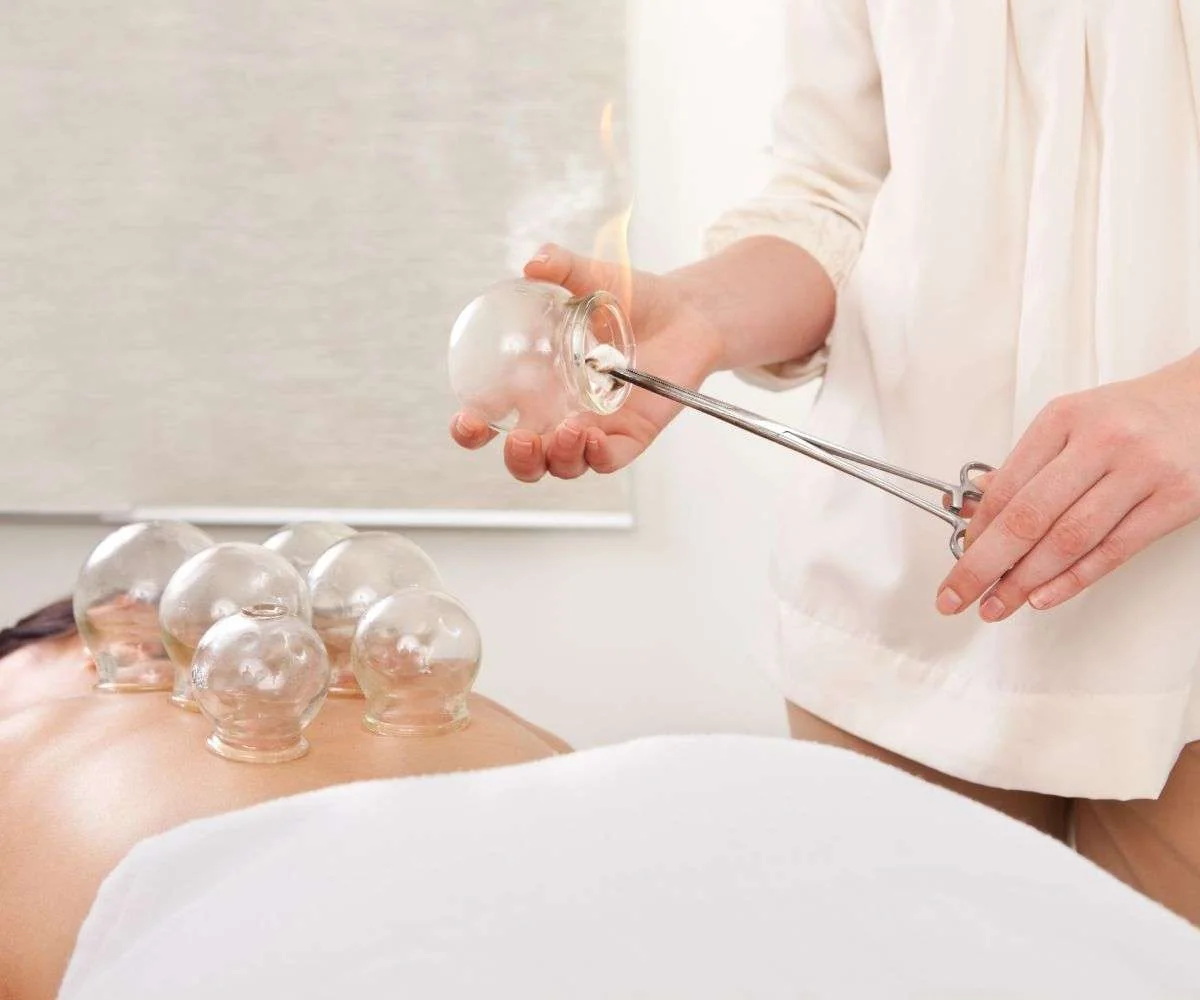
Cups may stay in place or be moved over a lubricated area. Moving cupping therefore involves movement too, while retaining the suction that distinguishes it from scraping. Tightness can occur, but sharp, severe or increasing discomfort needs an immediate pause and reassessment. The Cleveland Clinic describes these different cupping methods and sensations. Cupping methods and sensations
What the skin marks can and cannot tell you
Body gua sha can produce small red-purple spots called petechiae: tiny areas of bleeding under the skin from small blood vessels. Broader discoloration can also occur. Cupping commonly leaves marks related to the treated area or cup outline. The visible pattern is partly a consequence of the technique, not a diagnosis. Source
A darker mark does not measure toxins removed, identify a damaged organ or prove that a tendon or muscle has healed. If you seek care afterward, explain which technique was used and where. Skin that appears unusually damaged, increasingly painful or otherwise concerning needs assessment rather than being dismissed as a necessary release. Source
Dry, wet and moving cupping answer different questions
Dry cupping does not intentionally pierce the skin. Wet cupping does pierce it and involves blood, so the bleeding and blood-contact issues are different. Suction may be produced using a device or a heated cup; heat is not required for every cupping method. Source
Whether a cup moves is a separate description from whether the skin is deliberately pierced. Ask what exact method is proposed rather than agreeing to the general word cupping. This comparison does not announce that Wongs Acupuncture & Angel Alliance Physical Therapy offers wet cupping, facial cupping or every method described.
Separate a traditional explanation from a tested result
Traditional Chinese medicine may describe gua sha in terms of helping the movement of qi. That is a traditional explanatory framework. Modern discussions may instead examine local blood flow or responses to skin stimulation. These are different kinds of explanation, and neither alone establishes an individual clinical benefit. Source
For example, observing a local circulation change is not the same as showing that a painful tendon has repaired or that someone can work more comfortably for longer. The Cleveland Clinic explicitly notes that a proposed anti-inflammatory response to gua sha has not been scientifically validated. Keep the explanation tied to what was actually measured. Source
Does either method have better evidence?
Merck Manual notes methodological concerns and the need for more rigorous gua sha trials. NCCIH reports that much of the cupping research has quality problems; it describes pain relief as possible rather than a firmly established result. These summaries do not establish that one method is better than the other for every pain problem. Source Source
A useful comparison needs the same condition, a relevant control, the actual technique and a meaningful follow-up. A facial appearance study cannot answer a knee-arthritis question, and a trial of one cupping protocol cannot establish the effect of all scraping methods. Ask what evidence fits the specific concern, while keeping uncertainty visible.
Check the skin and bleeding history first
Tell the practitioner about broken, irritated or inflamed skin, easy bruising, bleeding disorders and medicines that affect bleeding. Relevant medicines include anticoagulants such as warfarin or apixaban and antiplatelet medicines such as aspirin. Do not stop a prescribed medicine to make a procedure possible. The medicine plan belongs with its prescriber. Source
Also mention diabetes, circulation problems, pregnancy, chemotherapy and other ongoing treatment. Suitability may depend on the area and the actual technique; a change of tool does not remove the underlying concern. Share known reactions to skin products so the lubricant and any other contact materials can be considered. Source
Hygiene and avoiding skin injury apply to both
Tools and cups need handling and cleaning appropriate to their material and use, including between people. Dry cupping can still involve unintended blood contamination. NCCIH warns that inadequately sterilized shared equipment can transmit bloodborne infections, including hepatitis B and C. Deliberately piercing the skin adds another reason to assess the method carefully. Source
Agree on the area and proposed intensity before starting, and report burning, sharp pain or a product that stings. More pressure, stronger suction or repeated work over a reacting area is not a reliable route to a better result. You can ask to pause or stop. This article is a comparison, not instructions for home heating, skin puncture or sterilization.
Compare function as well as the immediate sensation
For an assessed muscle-pain concern, choose a practical task such as turning comfortably or sitting through a familiar activity. Record the starting difficulty, then compare the same task after the session and during ordinary activity. Immediate relaxation, easier movement and a change in skin color are separate observations.
Review tenderness, skin response and whether any benefit lasts long enough to matter to you. If the area remains irritated or daily activity is worse, further work needs reconsideration rather than automatically stronger treatment. If there is no useful progress, review the assessment and approach. There is no universal repeat schedule based on how quickly a mark fades.
When a skin response needs medical advice
Cupping can cause burns, infections, scars and persistent discoloration; it can also aggravate some skin conditions. These are risks to discuss, not signs of a required healing process. Scraping that injures or repeatedly irritates the skin also needs to stop. Source
Seek medical advice for a burn, severe or worsening pain, fever, increasing redness or tenderness, or yellow discharge. The Cleveland Clinic identifies burns, extreme pain and signs of infection as reasons to contact a clinician after cupping. Do not keep treating the same area while waiting for an unusual reaction to become a normal mark. When to seek medical advice
Keep facial goals and clinic arrangements distinct
Facial work uses its own lighter approach and appearance-related goals; the facial gua sha guide discusses that separate purpose. Do not copy a body-scraping intensity onto the face or treat body marks as a cosmetic target.
Wongs Acupuncture & Angel Alliance Physical Therapy offers medical massage and acupuncture in Manhattan, Forest Hills and Great Neck. Describe the body area, health history, medicines and goal so an appropriate manual or needling consultation can be discussed. Confirm the actual technique and practitioner before booking.
OUR LOCATIONS
Choose a clinic.
Choose a convenient location to discuss your needs or arrange a visit.