
HEALTH JOURNAL
How Does Massage Fit Recent or Persistent Low Back Pain?
Ben Wong ·
Massage can be considered for comfort in assessed nonspecific low-back pain. Nonspecific means the assessment has not identified one specific disease that explains the episode; it does not mean the pain is imaginary. Massage works on soft tissues such as muscle. Finding a tender spot does not diagnose a disk problem, and treatment does not put spinal bones back into place. Suitability, the intended change and the activity plan belong in the same discussion. Source
On this page
- Why a tight or painful back still needs an assessment
- Recent pain and persistent pain are different planning contexts
- What the research compares: pain relief and practical function
- How soft-tissue work and pressure are selected
- Use comfort to support an appropriate activity plan
- Review the response before automatically booking more
- When massage should wait for medical review
- Choose the next step around the assessed back problem
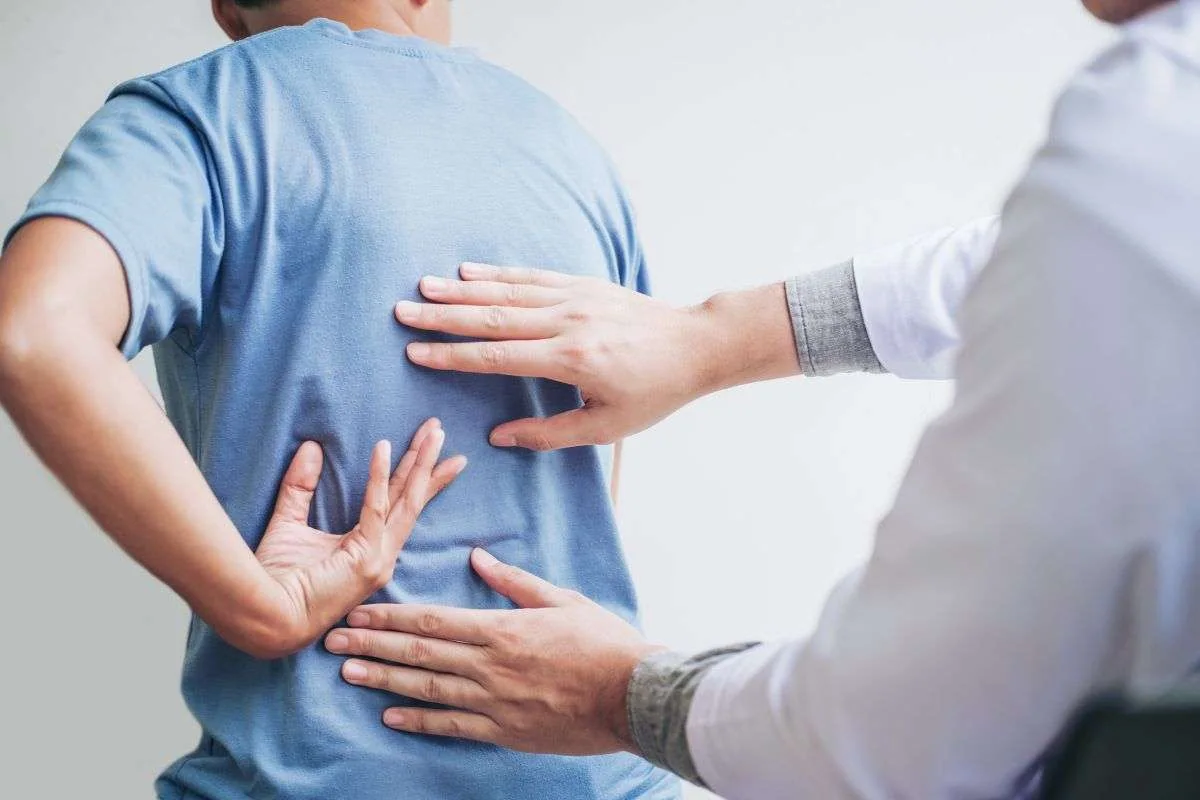
Why a tight or painful back still needs an assessment
The back includes vertebrae, the small bones of the spine; disks that cushion between them; and muscles, tendons and ligaments that support movement. Pain can involve more than one factor. A recent overload or muscle strain is one possibility, while a disk or irritated nerve, an inflammatory condition or another medical problem can require a different route. Sleep, stress and activity demands may also affect the experience. The NIAMS overview describes this range. Back-pain causes and anatomy
A tight muscle is a finding to consider, not proof of the original cause. A history and examination can connect the symptoms with bending, walking, sitting or lifting, and check relevant strength, sensation and nerve findings. Pain traveling into a leg, numbness or weakness deserves attention beyond the painful back muscle. NIAMS notes that most people do not automatically need additional testing; testing should answer a relevant clinical question. Source
Recent pain and persistent pain are different planning contexts
The American College of Physicians (ACP) describes acute low-back pain as lasting less than four weeks, subacute pain as four to twelve weeks and chronic pain as more than twelve weeks. Its 2017 guideline includes massage among non-drug options for acute or subacute nonradicular low-back pain. A nerve root is the part of a nerve near where it leaves the spine; irritation may cause pain traveling into a leg and needs the relevant examination. The recommendation does not automatically cover every such symptom. Many recent episodes also improve with time, so improvement after a visit does not show that massage was the only cause. ACP guidance
Recent back pain is not permission to massage a fresh injury forcefully. If pain followed a suspected strain, an overstretched or torn muscle, the injury needs attention first. NHS advice for sprains and strains recommends avoiding massage in the first couple of days to help avoid swelling. This injury advice should not be confused with the broader time category used in a back-pain guideline. Acute-injury advice
The 2017 ACP list did not include massage among its chronic-pain options. More recently, the World Health Organization’s 2023 guidance includes massage as one possible part of care for adults with chronic primary low-back pain: pain lasting more than three months that is not explained by another underlying disease or condition. WHO emphasizes an individualized package rather than one treatment in isolation. The different dates and scopes matter; neither statement means that every persistent back problem needs repeated massage. WHO guidance and scope
What the research compares: pain relief and practical function
A 2015 Cochrane review included 25 trials and 3,096 participants; only one trial concerned acute pain. In the subacute and chronic groups, massage compared with inactive approaches showed better short-term pain and function, but that advantage did not persist at long-term follow-up. Against other active treatments, pain findings favored massage at the assessed short and longer follow-ups, while function did not differ. The treatments being compared and the outcome measured therefore matter. Review results
Function means what the back allows you to do, such as walking, bending or lifting. Feeling more comfortable afterward may be useful without proving that these abilities have recovered. The review pooled different techniques and relatively small studies, and its results cannot predict your response or identify one best pressure. Some participants reported increased pain, so a treatment trial should include both a practical goal and a check for unwanted responses.
How soft-tissue work and pressure are selected
A therapist may use gliding strokes, kneading or more focused pressure on selected soft tissues. The location, contact area and pressure should follow the assessed concern and your response. A broad, comfortable approach and focused work on a tender area are different choices, not automatic steps toward the hardest possible pressure. Massage can address comfort and muscle tension without establishing that a disk has changed position. Source
Position matters as well. If lying face down aggravates the back, side-lying or supports may make the session more tolerable. Tell the therapist about sharp, spreading or otherwise uncomfortable sensations as they occur. Pressure, location or position can be changed, or treatment stopped. Severe pain is not a necessary stage of useful massage; bruising or a worse daily task is not evidence that a deeper layer was successfully reached.
Use comfort to support an appropriate activity plan
Comfort care and rebuilding capacity have different jobs. Massage may be considered for a symptom goal, while appropriate exercise and physical therapy address movement, strength and the daily task that is difficult. NIAMS describes staying active within a suitable plan, avoiding prolonged bed rest and gradually increasing activity as tolerated. A recent diagnosed injury can require specific restrictions. Source
For example, someone who struggles after a short walk may need a manageable starting amount and a gradual walking plan. Someone limited by repeated lifting needs the relevant movement and strength assessed. A comfortable session does not automatically clear either person for a full workload. The plan between visits should explain what to do, how much, how often and what response should prompt adjustment. These examples illustrate planning, not a single exercise prescription for all back pain.
Review the response before automatically booking more
Choose an agreed symptom and one meaningful task, then compare under similar conditions. Notice whether the task is easier, whether any benefit lasts into ordinary life and whether symptoms later increase. For example, less discomfort on standing from a chair is a different outcome from simply feeling relaxed while lying on the table.
If benefit is brief, discuss whether massage still has a useful comfort role and whether the activity plan needs more attention. If function remains limited or symptoms worsen, reconsider the assessment, pressure, treatment emphasis or need for further medical review. More sessions or longer, stronger sessions are not an automatic solution. Appointment length should fit the area, goal and response rather than serve as a promise of benefit.
When massage should wait for medical review
New loss of bladder or bowel control, difficulty urinating, numbness around the genitals or anus, or pain, tingling, numbness or weakness in both legs need emergency care. A serious accident is also a reason for emergency assessment. Sudden severe or rapidly worsening back pain, fever or feeling generally unwell needs urgent medical advice. New or progressive leg weakness needs prompt assessment; do not wait for the next massage to see whether it releases. Source
Tell the care team about blood-thinning medicines, a bleeding disorder, a recent blood clot, fracture, severe osteoporosis, burns or healing wounds. These can change whether, where and how massage is appropriate. Do not stop prescribed medicine to make a massage possible. A new diagnosis, operation or change in symptoms should be considered before continuing a familiar routine. Source
Choose the next step around the assessed back problem
Wongs Acupuncture & Angel Alliance Physical Therapy offers medical massage, physical therapy and acupuncture in Manhattan, Forest Hills and Great Neck. Describe what the back pain interrupts and what has changed. The next step can connect an appropriate comfort goal with rehabilitation or medical evaluation when needed.
OUR LOCATIONS
Choose a clinic.
Choose a convenient location to discuss your needs or arrange a visit.