
HEALTH JOURNAL
When Massage Fits Muscle-Related Neck and Shoulder Discomfort
Ben Wong ·
Massage can be considered for short-term comfort with some neck and shoulder pain, particularly when soft-tissue tension is part of the assessed problem. The plan should connect pressure and positioning with a useful goal, such as turning more comfortably or getting through a desk task. It should not assume that every painful neck needs stronger pressure. Source
New arm weakness, spreading numbness, a significant injury or a different pattern of pain changes the decision. Those symptoms need appropriate assessment before choosing a hands-on session. Severe neck pain after an injury, or injury-related neck pain spreading down the arms or legs, needs immediate medical care rather than waiting for massage.
On this page
A tender spot does not identify the whole problem
Muscles, joints, nerves and other structures can contribute to symptoms in overlapping areas. Problems in the neck can also be felt in the shoulder or arm. A sore upper shoulder does not prove that the cause lies only in the muscle under the practitioner’s hand. Describe where symptoms begin, whether they travel and what activity changes them. AAOS neck-pain information
For example, an ache during long computer sessions gives different information from tingling into the fingers or difficulty lifting the arm after a fall. Our neck and shoulder pain guide compares acupuncture, PT and massage when the starting question is which kind of assessment fits.
What the neck-pain research actually describes
A University of Washington report describes a trial of 228 adults with chronic neck pain. Over a four-week course, several 60-minute sessions per week produced more short-term improvement than fewer or shorter sessions in that study. It concerned a specific research population and schedule, rather than every shoulder problem or an individual clinic package. Source
That result does not mean everyone should book frequent long sessions. The current symptom, health history, response and demands of daily life still guide the plan. The useful outcome is a change in pain or function, not simply receiving a larger amount of pressure.
Choose a position you can remain comfortable in
A session may use supported lying or sitting, with the neck and arms positioned comfortably. Lying face down is not compulsory when it provokes symptoms or makes breathing difficult. Supports and a change of position can make the treatment more manageable. Source
Pressure can start gently and change in response to clear feedback. Sharp pain, tingling or symptoms that travel are reasons to pause. A request for lighter pressure does not make the session less legitimate, and a neck crack is not a necessary outcome of massage.
Choose contact and pressure for the goal
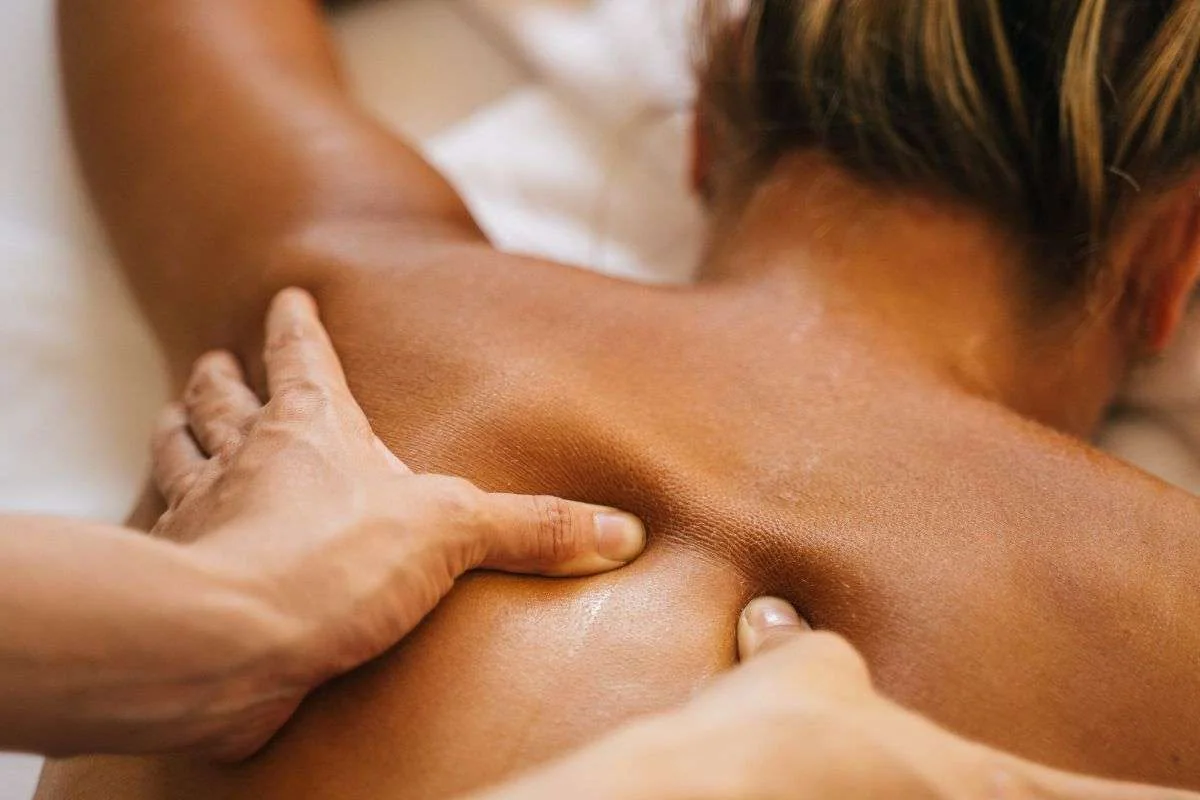
Massage may use broad gliding contact, rhythmic kneading or more focused pressure on the soft tissues around the neck and shoulder. The choice is meant to fit the assessed complaint and your response. Broad contact and a small focused contact do not feel the same, even when neither uses great force. A treatment can start with the easier version and change only when the response is comfortable.
If the approach is Tuina, pushing, kneading or rolling techniques still need to fit the assessed region and goal rather than follow one fixed sequence for all neck and shoulder pain. Tuina technique reference
A local muscle may feel tender without needing the deepest possible pressure. If the aim is turning more comfortably, compare that task before increasing the intensity. For a shoulder complaint, reaching to an ordinary height may be a more relevant comparison than how sore a spot feels under a thumb. Pressure that produces sharp pain or traveling symptoms should be stopped, not treated as proof that the cause has been found.
Massage targets soft-tissue comfort; it does not replace the strength or endurance needed for a long workday. If short-term relief repeatedly disappears during the same task, the next step may involve reviewing how you move, the combined demands of work and training, or the diagnosis. This distinction helps keep manual treatment connected with a useful plan rather than simply increasing pressure.
Look beyond the treatment table
Choose one familiar activity to compare afterward: looking over your shoulder, holding a phone or completing a manageable work block. Note whether any change lasts into ordinary life. If the area feels easier, keep your usual activity sensible rather than immediately testing the longest or heaviest task.
A persistent problem may also need attention to strength, movement, breaks or task setup. Physical therapy can address those activity demands. An acupuncture consultation may provide a separate pain-focused option after assessment; adding services should still leave each one with a clear purpose.
When massage should wait
Report recent surgery, blood-thinning medicines, fragile bones, a wound, unexplained swelling and significant changes in sensation or strength. Mayo Clinic advises medical discussion for conditions such as bleeding disorders, recent clots, fractures and severe osteoporosis. Do not stop prescribed medicine to arrange a massage. Source
Wongs Acupuncture & Angel Alliance Physical Therapy offers medical massage in Manhattan, Forest Hills and Great Neck. A specific symptom and activity goal helps the office arrange an appropriate starting visit.
OUR LOCATIONS
Choose a clinic.
Choose a convenient location to discuss your needs or arrange a visit.