
HEALTH JOURNAL
Swedish Massage vs. Therapeutic Massage: How to Choose
Ben Wong · · Updated
Swedish massage and therapeutic massage describe different parts of an appointment. Swedish massage is a style of hands-on work; therapeutic massage describes a health or comfort goal. A Swedish session can therefore be therapeutic. Deep tissue massage usually involves slower, more focused work on selected soft tissues. The useful choice starts with what you want help with and the pressure you find comfortable.
For example, someone wanting to unwind after a demanding week may prefer flowing, lighter work. Someone with a familiar, localized area of tension may want a more focused session. Neither person needs to choose the strongest pressure to make the appointment worthwhile.
On this page
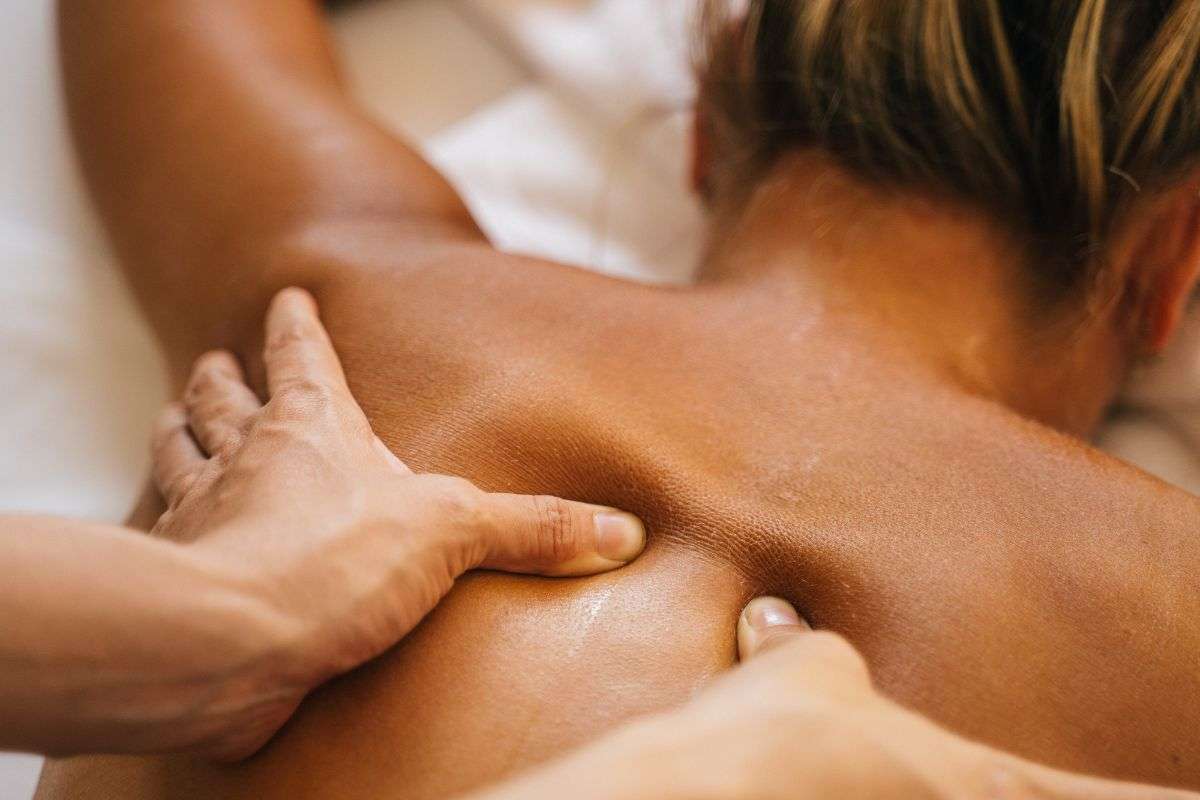
Swedish, therapeutic and deep tissue massage: a practical comparison
The National Center for Complementary and Integrative Health (NCCIH) describes massage as a family of techniques that work on the body’s soft tissues. It identifies Swedish, also called classical massage, as a common Western style and distinguishes clinical massage directed toward specific goals. These categories can overlap within an appointment.
| Name | What it usually describes | Session arrangements |
|---|---|---|
| Swedish massage | Gliding, kneading and other flowing movements, often chosen for a gentler, relaxing experience. | Light or moderate pressure, selected areas or a broader session, according to your preference. |
| Therapeutic massage | The purpose of care, such as addressing a particular comfort or activity-related concern. | Choose techniques to fit the agreed comfort or activity goal. |
| Deep tissue massage | Slower, concentrated work directed toward selected areas of muscle and surrounding soft tissue. | Select a region and adjust focused pressure to the assessment and your feedback. |
| Medical massage | Goal-directed soft-tissue care organized around an assessed concern. | Assess the concern and explain how massage fits with the rest of care. |
Our Swedish massage service emphasizes gentler, flowing care. The National University of Health Sciences description of deep tissue massage explains its slower strokes and concentrated pressure. A technique name gives you a starting point for discussion; the actual pace, areas and pressure still need to be agreed.
The word “therapeutic” does not specify a pressure level. Likewise, deep tissue work can be one part of a goal-directed session without being used everywhere.
Choose the appointment by what matters to you
If your main goal is relaxation
Describe the experience you prefer: slower transitions, lighter pressure, a quiet session or attention to a few tense areas. Swedish-style work is a reasonable option to discuss when you want gentler, flowing contact. Tell the practitioner about any region you would like included or avoided. You can seek relaxation without having an injury or naming a medical diagnosis.
If one area feels persistently tight
Explain where you notice the discomfort and when it bothers you. For example, shoulders tightening after an hour at a desk is more useful than requesting the deepest massage. Focused work or a lighter starting pressure is selected after assessment. Our deep tissue massage page explains comfort and feedback.
If pain keeps interrupting an activity
Start with the activity and the symptom pattern. A problem that repeatedly affects reaching, walking or sleep may need a broader assessment. The choice between Swedish and deep tissue is only one part of that discussion. Read our guide to medical massage, pressure and treatment goals for the wider visit process and condition-specific evidence.
Does deeper pressure work better?
Pressure is a treatment choice, not a reliable measure of benefit. The 2016 evaluation summarized by NCCIH examined 20 studies comparing massage with usual care or other interventions and six comparisons between massage types. A useful choice still connects the treated area, your comfort and the activity you want to improve. The specific trial below compares two approaches for one condition.
A 2011 Seattle trial randomized 401 adults aged 20–65 with nonspecific chronic low-back pain to relaxation massage, structural massage or usual care. At 10 weeks, average disability scores were 2.9 points lower with relaxation massage and 2.5 points lower with structural massage than with usual care. The study defined a 2-point difference as clinically meaningful.
Both massage groups also had better symptom scores than usual care, with no clinically meaningful difference between the two approaches. Participants were blinded to massage type, but knew whether they received massage. These findings concern the study’s treatments and condition; they do not rank every Swedish or deep tissue technique.
Mayo Clinic’s massage guidance says massage should not cause severe pain and advises asking for lighter pressure when needed. You do not have to endure an unpleasant technique to complete the session. Pause the session if pressure becomes painful, or if you notice a sharp, tingling or otherwise unexpected sensation.
Turn your preference into a clear session plan
Before hands-on work begins, agree on the priority area, pressure, positioning and areas to avoid. The plan explains draping and whether oil or lotion will be used. Mention scent or skin sensitivities. If lying face down is uncomfortable, another position and support can be considered. Mayo Clinic describes health history, positioning and pressure adjustments as parts of planning.
A useful request might be: “I’d like help with familiar shoulder tension, but I prefer moderate pressure and gradual changes.” That gives the practitioner both a goal and a comfort preference. You can change either preference during the session.
Discuss blood-thinning medicines, a recent blood clot, healing wounds, recent injury or surgery, and severe osteoporosis before booking. These issues can change whether massage is appropriate or which areas and pressure should be avoided. Pregnancy calls for its own positioning and suitability discussion. Share relevant instructions from your healthcare team; new or unexplained pain should be assessed before it is treated as routine tension.
Use the response to guide the next choice
Compare the result with the goal you chose. If you wanted relaxation, describe whether the pace and pressure were comfortable. If you wanted help with a familiar tense area, notice how it feels during the ordinary activity that previously bothered you. Record how long any helpful change lasts and whether soreness interferes with the day.
Some next-day soreness can occur, as Mayo Clinic notes. Soreness alone does not tell you that deeper work was more useful. Our massage soreness and aftercare guide explains what to report and when symptoms need medical attention.
At follow-up, discuss what to keep or change: pressure, the area treated, positioning or the overall care plan. Persistent activity limitations can also be discussed in a physical therapy assessment. For a pain concern, an acupuncture consultation is another available discussion within a coordinated plan. Each service has its own purpose and appointment arrangements.
Arrange the massage that fits your goal
Use our massage service comparison to explore the available appointment types. Medical massage is offered at our Manhattan clinic, Forest Hills clinic in Queens and Great Neck clinic on Long Island. Tell your selected office which service you want and confirm arrangements for any specific technique.
Some health insurance plans may cover massage for medical purposes. Send your insurance information to your preferred office so the team can check benefits for the requested service, including any referral or authorization requirements.
Choose massage by your needs
Understand the names and pressure, then choose by the activity and treatment experience you want to address. These guides cover the session and the differences between labels.
OUR LOCATIONS
Choose a clinic.
Choose a convenient location to discuss your needs or arrange a visit.