
HEALTH JOURNAL
Understanding What a Tuina Session Is Trying to Do
Ben Wong ·
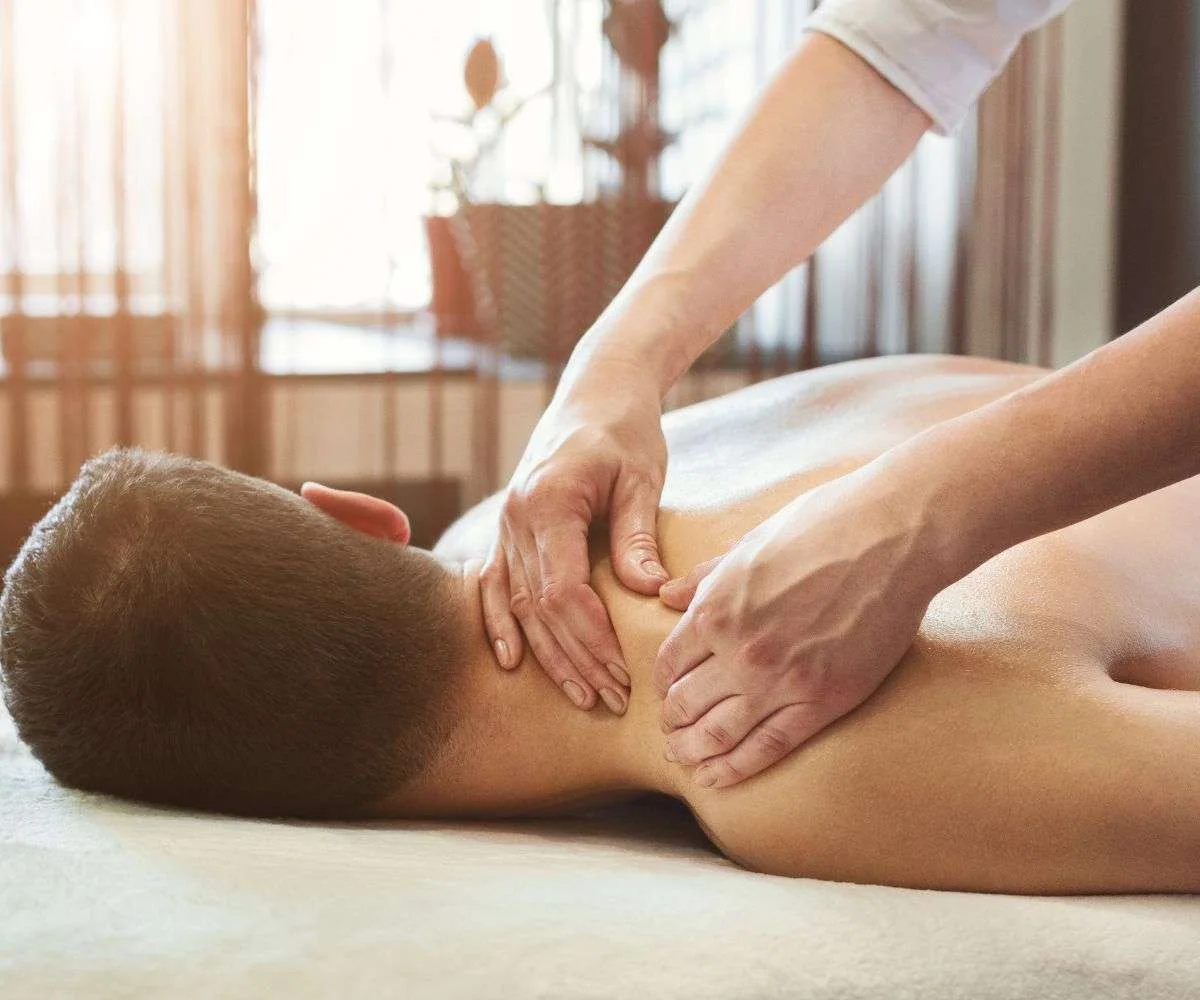
Tuina is traditional Chinese manual bodywork. A session may combine pushing, kneading, rolling, pressure and selected movement, with the method chosen for the area and the assessed concern. It is not defined by how much pain you tolerate or whether a joint makes a sound.
The name describes a tradition and an approach, rather than one identical routine delivered to every person. A comfortable session can still have a clear therapeutic purpose. Source
On this page
- Traditional reasoning should be understandable
- Different hands-on methods do different work
- Match the method to what limits the movement
- Clothing, position and pressure can be adjusted
- A new symptom can change the plan
- Review the response before repeating the same approach
- Connect the technique with a useful goal
Traditional reasoning should be understandable
In TCM, the practitioner considers the symptom pattern and may describe treatment through qi, blood and channels. In plain language, the discussion connects the location, quality and timing of discomfort with the broader health picture. These traditional concepts are not names for blood-vessel blockages or a diagnosis of damaged nerves.
The University of Minnesota explains Tuina in relation to TCM principles and finger pressure at selected points. Our qi and blood and traditional meridians guides explain the vocabulary separately. Recognizing a term does not require you to diagnose your own pattern. Source
Different hands-on methods do different work
A gliding push moves contact along an area. Kneading uses repeated, controlled pressure; rolling maintains rhythmic contact. A practitioner may also move a limb through a selected comfortable range. These examples explain the methods, not a sequence for treating an injury yourself. The Chinese clinical description lists several techniques and emphasizes selection according to the condition and region. Source
The immediate experience is touch, pressure and movement of soft tissues. Traditional reasoning and a physical description can explain different aspects of the same session. Neither explanation establishes that force can put every painful joint back into place.
Match the method to what limits the movement
Traditional assessment asks about more than the name of the painful body part. Location, timing, the character of discomfort and other symptoms help organize the treatment explanation. In that framework, qi describes aspects of function and blood describes nourishment and circulation in traditional terms; neither is a finding that can be read from one tender spot. The chosen method should still have an understandable local purpose.
For example, broad rhythmic contact may introduce work over a tense region before a more focused area is considered. A selected joint movement serves a different purpose from kneading nearby muscle: it explores a comfortable movement rather than simply adding pressure. A recent injury, swelling or a nerve-like symptom can instead make deeper pressure or movement inappropriate until assessed. These are reasons for adapting a session, not a self-treatment sequence.
Depth is not the same as intensity. Pressure can feel more concentrated over a small area, and a sensitive region may need less force. The aim is a manageable response that serves the agreed task. Continuing simply because a technique is called deep or traditional does not make it suitable.
Clothing, position and pressure can be adjusted
Some manual work can be performed through comfortable clothing; other techniques may involve direct skin contact and appropriate draping. The actual arrangement should be explained before treatment, including which areas will be covered and which will be left alone.
A supported side-lying or seated position may be more manageable than lying face down. Oil or lotion, if proposed, needs to fit your skin and scent preferences. You can decline an area, request a different position or pause. Mayo Clinic describes these comfort and consent choices as part of massage care. Source
A new symptom can change the plan
Report a recent injury or operation, unexplained swelling, altered sensation, weakness, a wound and medicines that affect bleeding. Deep pressure should not be used to investigate a suspected clot, fracture or newly injured area. A medical assessment may come before manual treatment. Source
During treatment, describe sharp pain, tingling or a symptom that travels. Afterward, compare the original everyday difficulty, such as reaching or turning, as well as any unwanted response. Bruising and soreness are not useful targets for deciding that a session was successful.
Review the response before repeating the same approach
Separate three observations: what you felt during the hands-on work, how the area felt later, and whether reaching, turning or another chosen task became easier. A comfortable session can be worthwhile even without soreness. Temporary relaxation and a sustained change in activity are different goals and should be recorded as such.
If the area feels easier, return to ordinary comfortable activity rather than immediately testing the greatest range or load. Repeated soreness, new spreading symptoms or no useful change in the chosen task are reasons to reconsider pressure, positioning, the technique or the assessment. When muscle strength or the ability to sustain walking or work remains the main limitation, a movement-based plan may address something that another hands-on session does not. Temporary comfort is not a test of whether strength and endurance have recovered.
Connect the technique with a useful goal
Wongs Acupuncture & Angel Alliance Physical Therapy includes Tuina within its confirmed medical massage service family. The appointment can start with a specific concern and a practical activity to review, rather than an expectation of a fixed sequence.
When weakness, balance or activity tolerance is limiting daily life, physical therapy may address a different part of the problem. An acupuncture consultation is also available for an assessed pain concern. Each service should have its own clear role. The Tui na massage service page provides the actual appointment route.
OUR LOCATIONS
Choose a clinic.
Choose a convenient location to discuss your needs or arrange a visit.