
HEALTH JOURNAL
Acupuncture for Menopause Symptoms
Ben Wong · · Updated
Acupuncture can be included in perimenopausal and menopausal symptom care to improve sleep and address concerns such as hot flashes.
Menopause marks the end of menstrual periods, while perimenopause describes the transition. This page addresses specific concerns such as hot flashes, night sweats and sleep.
On this page
- Does Acupuncture Help with Menopause Symptoms?
- How Effective Is Acupuncture for Menopause Symptoms?
- Is Acupuncture Backed by Science?
- What You Should Know Before Booking an Acupuncture Treatment
- How Do You Know If Acupuncture Is Working?
- How to Get Acupuncture for Menopause Symptoms at Wongs Acupuncture
- Final Thoughts About Acupuncture & Menopause Symptoms
- Sources
Does Acupuncture Help with Menopause Symptoms?
Yes. Acupuncture can be included in perimenopausal and menopausal symptom care to improve sleep and address concerns such as hot flashes. Treatment prioritizes the symptoms with the greatest daily impact within the individual medical plan.
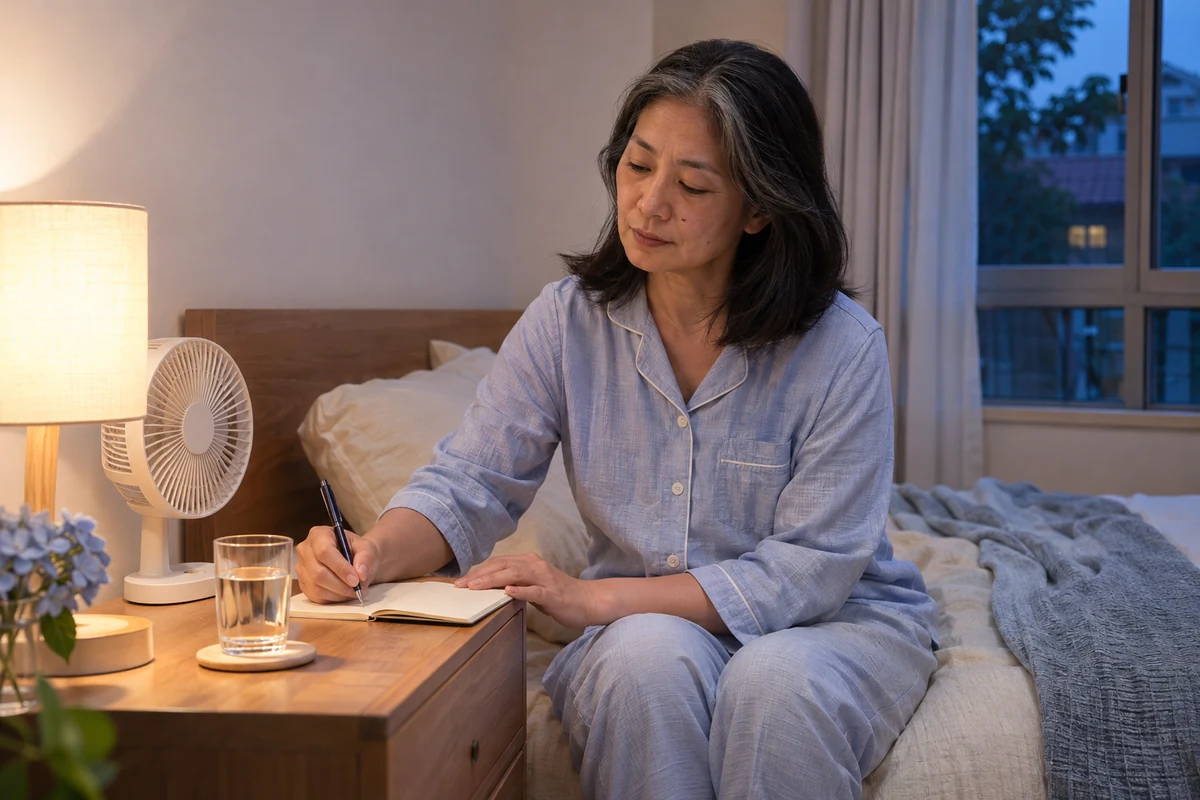
Waking hot and being unable to sleep are related but different
If warmth or sweating wakes you, the episode and the ability to return to sleep both matter. If you lie awake without a hot flash, that suggests another sleep-focused question. Pain, medicines, mood and sleep-breathing problems can also contribute.
Keep symptom-directed medical options and any existing sleep treatment in place. Our menopause and TCM overview addresses the wider transition, bleeding, vaginal or urinary concerns and products; this page concentrates on how the acupuncture decision is explained and reviewed.
How does traditional assessment guide menopausal symptom care?
In TCM, Kidney refers to traditional supporting and reproductive functions, Yin to moisture and cooling, and Yang to warmth and activation. Chong and Ren provide the traditional pathway framework used to discuss menstrual regulation.
The Meizhou hospital framework (Chinese) distinguishes six related patterns. Kidney Yin deficiency emphasizes dryness, warmth and night sweating; Yin deficiency with fire adds more restless heat. Kidney Yang deficiency emphasizes cold limbs and low energy; combined Yin–Yang deficiency can alternate coldness with flushing. Kidney deficiency with Liver constraint adds emotional tension or distending discomfort. Heart–Kidney disharmony highlights unsettled sleep or palpitations with reduced supporting features.
These can overlap. Nourishing the settling aspect, supporting warming or easing constraint are different aims, so two people with night waking may receive different explanations. The assessment relates the main and accompanying findings to the goal and changes that emphasis at review.
A point example needs a symptom-related reason
Taixi illustrates a nourishing-Yin aim, Taichong a settling and constraint-easing aim, and Shenmen a calming-Shen aim when sleep leads. The practitioner connects these explanations with the current symptom pattern. Taixi (Chinese) Taichong (Chinese) Shenmen (Chinese) traditional teaching (Chinese)
A practitioner can select local points, distant points or a combination according to symptoms, pattern, experience, preferences and response.
How Effective Is Acupuncture for Menopause Symptoms?
A trial in perimenopausal insomnia found better sleep quality after acupuncture than sham. In a separate US study of 209 people, hot-flash and night-sweat frequency fell 36.7% from baseline at six months with acupuncture, while the waiting group had a 6% increase.
Is Acupuncture Backed by Science?
A perimenopausal sleep trial enrolled 84 women aged 45–60 and compared eight weeks of electroacupuncture with sham, recording greater sleep-quality improvement. The US AIM trial assessed hot-flash and night-sweat frequency and documented improvement relative to waiting with usual care. Study or professional source
The AIM study compared acupuncture with waiting and usual care, recording lower hot-flash and night-sweat frequency at six months. Care reviews episode burden and sleep as separate goals. Original source
What You Should Know Before Booking an Acupuncture Treatment
The first visit reviews symptoms, diagnoses, medicines and activity goals before explaining the treatment and comfortable positioning. Bring relevant reports and a medicine list so acupuncture can be coordinated with existing care.
Choosing a method you can comfortably receive
Our primary method is manual acupuncture, and we also offer electroacupuncture and auricular acupuncture. Electroacupuncture adds electrical stimulation through needles; auricular acupuncture uses needles in the ear. The practitioner selects the approach around treatment goals, health findings and comfort.
For patients who prefer a needle-free approach, ear seeds use adhesive patches to hold small seeds or beads over ear points for pressure stimulation. Auricular acupuncture uses needles, while ear seeds provide needle-free stimulation. Tell the practitioner about skin discomfort from the adhesive or pressure so it can be adjusted.
During the appointment and afterward
The practitioner reviews symptoms, diagnoses, medicines and the activities you most want to improve, then explains point selection, positioning and treatment using sterile single-use needles. Mild aching or heaviness can occur. Report sharp pain, dizziness or significant discomfort immediately so the practitioner can adjust treatment. The UCLH patient guide
Before treatment, report pregnancy, medicines affecting clotting, implanted electronic devices and any previous fainting during procedures. Continue prescribed medicines according to the medical plan. Temporary soreness, small bruises or drowsiness can occur; arrange a ride if drowsy. Seek medical assessment for persistent or significant symptoms.
An initial acupuncture or physical therapy appointment is approximately 75–90 minutes; combining the services takes somewhat longer. The practitioner explains needle-retention time and plans subsequent visits and review around treatment goals, progress and comfort.
Any bleeding after menopause needs medical assessment, including light spotting or one episode.
How Do You Know If Acupuncture Is Working?
More settled sleep, fewer interruptions from night sweats or hot flashes and easier daytime activity are useful improvements to record. Reviewing each symptom separately helps guide treatment priorities.
Review the original symptom and its daily impact
Compare hot-flash or night-sweat frequency and interference, awakenings with heat, other time awake and daytime functioning separately. Note other treatment changes and unwanted reactions.
How to Get Acupuncture for Menopause Symptoms at Wongs Acupuncture
Wongs Acupuncture & Angel Alliance Physical Therapy offers acupuncture in Manhattan, Forest Hills, Great Neck. Contact the office that suits you, describe the main difficulty and any care already in place, and the team can confirm the appropriate service and appointment. If you plan to use insurance, the selected office can check benefits for the requested service.
Final Thoughts About Acupuncture & Menopause Symptoms
Acupuncture care for menopause symptoms can be planned around specific symptoms and everyday goals. Contact the most convenient clinic with the diagnosis, current care and the main concern you want to improve so the team can arrange consultation and continuing treatment.
Sources
- 梅州市人民医院 绝经前后诸证(更年期综合征)诊疗方案
- 太溪穴_太溪穴的效果作用| 中国医药信息查询平台
- 太冲穴_太冲穴的效果作用| 中国医药信息查询平台
- 神门穴_神门穴的效果作用| 中国医药信息查询平台
- 绝经前后诸证 – 针灸学-下
- Electroacupuncture versus Sham Acupuncture for Perimenopausal Insomnia: A Randomized Controlled Clinical Trial – PMC
- Acupuncture in Menopause (AIM) study: a pragmatic, randomized controlled trial.
- Having acupuncture : University College London Hospitals NHS Foundation Trust
OUR LOCATIONS
Choose a clinic.
Choose a convenient location to discuss your needs or arrange a visit.