
HEALTH JOURNAL
Acupuncture for Overactive Bladder
Ben Wong · · Updated
Acupuncture helps reduce urgency and frequent urination in women with overactive bladder, or OAB. Treatment focuses on a more manageable bladder pattern and fewer interruptions to daily life.
This guide concerns assessed, idiopathic OAB in adults, with the clinical research discussed here drawn from women with bladder-storage symptoms.
On this page
- Does Acupuncture Help with Overactive Bladder?
- How Effective Is Acupuncture for Overactive Bladder?
- Is Acupuncture Backed by Science?
- What You Should Know Before Booking an Acupuncture Treatment
- How Do You Know If Acupuncture Is Working?
- How to Get Acupuncture for Overactive Bladder at Wongs Acupuncture
- Final Thoughts About Acupuncture & Overactive Bladder
- Sources
Does Acupuncture Help with Overactive Bladder?
Yes. Acupuncture helps reduce urinary urgency and frequency and improves the everyday burden of overactive bladder. Clinical trials in adult women have found improvements in these symptoms and related quality of life.
Overactive bladder, often shortened to OAB, describes a sudden, difficult-to-defer need to urinate, usually with frequent daytime trips or waking at night, and sometimes leakage with urgency. “Idiopathic” means that the assessment has identified this symptom syndrome without another clear cause such as infection or obstruction.
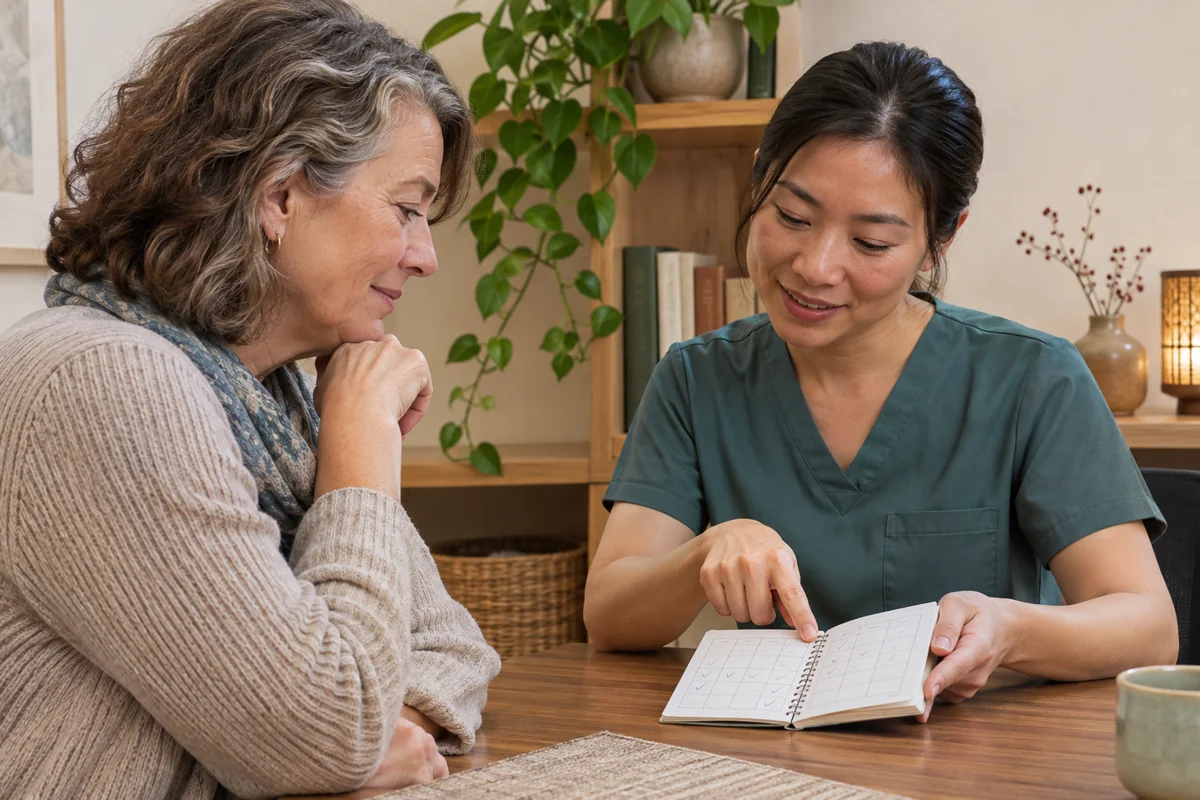
The consultation focuses on what is interrupting your life: rushing to a bathroom, repeated trips during a commute, waking at night or leaking with a strong urge. Tell the practitioner whether the main difficulty is urgency, leakage or emptying the bladder; each helps clarify the treatment plan.
How does the acupuncturist choose treatment areas?
Traditional acupuncture combines points around the lower abdomen or lower back with distant points selected for the person’s overall presentation. A clinical and traditional review of acupuncture for women with OAB discusses lower-abdominal, lumbosacral and leg points, including Guanyuan and Taixi.
In traditional language, the lower region of the body is part of the “lower jiao,” a functional framework used to discuss urination and related pelvic functions. The idea of supporting and regulating that region explains why treatment may include points some distance from the bladder. The practitioner also considers cold or heat sensations, fatigue, digestion and sleep when choosing the traditional treatment emphasis.
Contemporary research examines the nerves and signals involved in bladder sensation and storage. In the clinical appointment, the practical targets are less urgency, a more manageable voiding pattern and better daily comfort. The acupuncturist selects local, distant or combined points using the assessment, clinical experience, preferences, comfort and response.
How Effective Is Acupuncture for Overactive Bladder?
Acupuncture improves urgency, frequency and the impact of bladder symptoms on daily life in studied groups of women with OAB. The desired change is a more manageable day with fewer bathroom interruptions and less rushing.
A placebo-controlled trial reported improvements in urgency, frequency, bladder capacity and quality-of-life measures after bladder-focused acupuncture. A separate trial of 240 adult women also reported improvements in urgency, daytime frequency, nighttime trips and urgency-related leakage after treatment.
Care can be planned around the symptom that matters most to you, while established bladder advice and prescribed treatment continue. Leakage with coughing or exertion has a different pattern from urgency-led leakage; describe both if they occur together so the assessment covers the whole picture.
Is Acupuncture Backed by Science?
Randomized studies have found improvements in OAB symptoms, including urgency and frequency, after acupuncture in adult women.
In a 2005 placebo-controlled trial, 85 women enrolled and 74 completed the study. The bladder-focused acupuncture group had better changes in urgency, frequency, bladder capacity and symptom-related quality-of-life scores than the comparison treatment.
A randomized trial published in 2015 studied 240 women over four weeks. Symptoms improved in both the acupuncture and medication groups. These reports give the discussion a symptom-specific focus, using voiding diaries and the effect of symptoms on ordinary life.
What You Should Know Before Booking an Acupuncture Treatment
Bring a recent bladder assessment, your medicine list and, if available, a three-day bladder diary. Include daytime trips, nighttime trips, urgency, leakage and fluid intake. Tell the practitioner about pregnancy, blood thinners, implanted electronic devices and any current bladder treatment.
The first acupuncture appointment is about 75–90 minutes and includes the history, assessment and treatment. The practitioner discusses the areas to be treated, provides privacy and comfortable positioning, and uses sterile, single-use needles. The clinic’s acupuncture service includes manual acupuncture, electroacupuncture and auricular acupuncture using needles, as well as needle-free ear seeds applied with small ear patches. The practitioner discusses the method with you around symptoms, existing care, comfort and response.
Continue prescribed medicines and bladder advice under the original medical plan. Painful urination, visible blood, fever or new difficulty emptying the bladder should be assessed medically. Being unable to pass urine needs prompt care. The NIDDK bladder guide explains these symptoms and the assessment of bladder-control problems.
How Do You Know If Acupuncture Is Working?
Fewer urgent episodes, fewer bathroom trips and less interruption of sleep or planned activities are useful signs that treatment is helping.
- Use the same diary format before treatment and at follow-up.
- Record urgency and urgency-related leakage as well as trip counts.
- Include a familiar activity, such as a commute or shopping trip, and how often bladder symptoms interrupted it.
Keep fluid intake and medicine changes in the record so the comparison is meaningful. The practitioner reviews the pattern with you and adjusts treatment around the symptoms that remain most disruptive.
How to Get Acupuncture for Overactive Bladder at Wongs Acupuncture
Book an acupuncture appointment at our Manhattan, Forest Hills or Great Neck office and tell us that you are seeking care for overactive bladder. Our acupuncture service page connects you with the three offices and appointment options.
Bring the relevant records and your current treatment plan. For coverage questions, review the insurance and appointment information and share your plan details when arranging the visit.
Final Thoughts About Acupuncture & Overactive Bladder
Acupuncture helps make urgency and frequent bathroom trips more manageable in women with OAB. Bring your assessment and a brief bladder diary so treatment can focus on fewer interruptions and greater everyday comfort.
Sources
- Emmons and Otto. Acupuncture for overactive bladder: a randomized controlled trial. 2005.
- Yuan et al. Acupuncture for overactive bladder in female adult: a randomized controlled trial. 2015.
- Acupuncture for Women with Overactive Bladder: Perspective of Traditional Chinese Medicine and Related Mechanism. 2023.
- NIH/NIDDK. Symptoms and causes of bladder control problems.
OUR LOCATIONS
Choose a clinic.
Choose a convenient location to discuss your needs or arrange a visit.